
Entertainment
Dolly Parton Releases ‘If You Hadn’t Been There’ as Beautiful Tribute to Late Husband

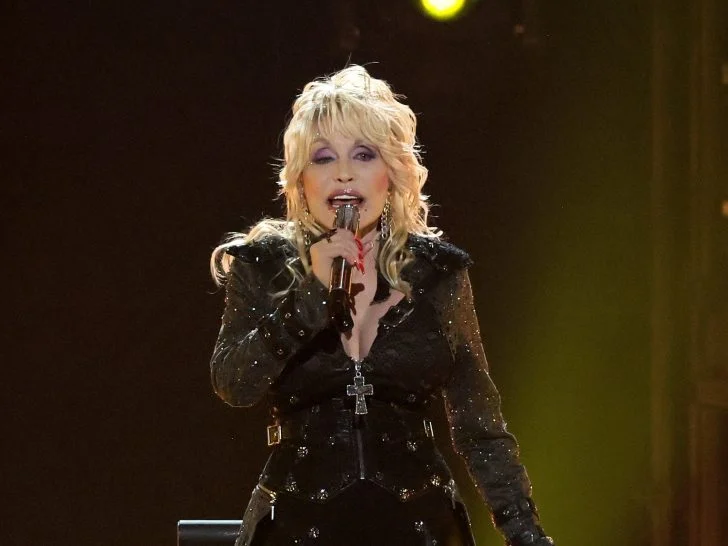
Dolly Parton Releases ‘If You Hadn’t Been There’ as Beautiful Tribute to Late Husband
In a career spanning more than six decades, Dolly Parton has continually proven that her artistry is as profound as it is enduring. From chart-topping country hits to cinematic performances, her work resonates across generations. Yet even for an icon of her stature, few moments carry the raw intimacy of personal loss translated into song. Recently, the world witnessed one such moment as Dolly Parton Releases ‘If You Hadn’t Been There’ as Beautiful Tribute to Late Husband, a poignant musical homage that reverberates with both grief and gratitude.
This release is not merely a song. It is an elegiac narrative, a delicate weaving of memory and devotion, framed in the unmistakable timbre of Parton’s voice. Its emergence invites reflection on love, legacy, and the alchemy of transforming personal pain into universal art.
A Lifetime of Love and Partnership
Dolly Parton’s life has always intertwined with stories of love that transcend the ordinary. The late husband to whom she dedicates this work was not merely a companion but a co-architect of a shared life, rich with collaboration, support, and quiet understanding. Their partnership was emblematic of mutual devotion, a tether that grounded her amidst the whirlwind of fame and global recognition.
The act of releasing a song so intimately tied to personal history underscores the courage it takes to make private grief public. When Dolly Parton Releases ‘If You Hadn’t Been There’ as Beautiful Tribute to Late Husband, it is more than artistic expression—it is an offering of vulnerability, an invitation for listeners to partake in the emotional resonance of a life lived in love.
Crafting a Song of Remembrance
The composition itself is a testament to meticulous artistry. Parton’s approach to songwriting has always balanced narrative clarity with lyrical elegance, and this track exemplifies that balance. Every chord progression, every lyrical inflection, is calibrated to evoke memory, sorrow, and the enduring comfort of companionship.
The song opens with a gentle acoustic strum, immediately evoking a sense of intimacy. Parton’s voice, simultaneously warm and fragile, conveys the weight of loss without tipping into melodrama. As the melody unfolds, subtle harmonies and instrumental nuances create a sonic space that feels both private and expansive. This careful orchestration ensures that Dolly Parton Releases ‘If You Hadn’t Been There’ as Beautiful Tribute to Late Husband resonates not just as music, but as emotional experience.
The Universal Appeal of Personal Grief
Parton’s genius lies in her capacity to translate personal grief into universally relatable art. While the song emerges from the specificity of her own life, its themes—love, loss, remembrance, and gratitude—are instantly recognizable to listeners of all backgrounds. In this way, the personal becomes communal, and private mourning transforms into shared catharsis.
The potency of Dolly Parton Releases ‘If You Hadn’t Been There’ as Beautiful Tribute to Late Husband is magnified by its sincerity. Unlike works constructed for commercial appeal or media attention, this track exists as a pure reflection of experience. That authenticity is palpable, drawing audiences into a reflective space where the intricacies of human attachment are honored and celebrated.
Musical Influences and Stylistic Choices
Rooted in the rich tradition of country storytelling, the song also exhibits nuanced influences from folk and Americana. Parton’s vocal delivery—a delicate interplay between restraint and emotional crescendo—echoes the narrative approach of classic ballads, yet it is unmistakably contemporary in its production values.
Instrumentation is restrained, prioritizing acoustic textures that foreground Parton’s voice. A subtle piano line underscores moments of lyrical poignancy, while gentle percussion offers rhythmic support without overwhelming the emotive arc. These stylistic decisions reinforce the central theme, ensuring that Dolly Parton Releases ‘If You Hadn’t Been There’ as Beautiful Tribute to Late Husband retains its solemn intimacy.
The Timing of the Release
The release of this song is also significant in its timing. Coming at a period when Parton herself has spoken openly about mortality, legacy, and the importance of cherishing shared moments, the track serves as both reflection and testament. In a world where celebrity output is often rapid-fire and transient, this measured, thoughtful release stands apart as a deliberate act of storytelling.
Fans have responded to the timing with a mixture of reverence and empathy. The song’s debut invites audiences not just to listen, but to witness—a privilege granted by Parton’s willingness to share her emotional landscape. Dolly Parton Releases ‘If You Hadn’t Been There’ as Beautiful Tribute to Late Husband, and in doing so, she also shares the vulnerability of human experience.
Cultural Significance
Beyond its personal resonance, the song has broader cultural implications. Parton’s influence extends well beyond music; she is an emblem of resilience, philanthropy, and authenticity. When she channels grief into art, the effect ripples across multiple domains, from fan communities to cultural commentary.
The track invites conversations about the ways artists navigate personal loss in public life. It underscores the enduring power of music as a vessel for memory, grief, and emotional articulation. By releasing a deeply personal piece, Parton contributes to a lineage of artists who transform sorrow into legacy, reminding audiences that vulnerability can be a source of strength.
Reception and Critical Acclaim
Initial reception has highlighted both the emotional depth and technical excellence of the track. Critics praise the song for its lyrical precision and the nuanced expressivity of Parton’s performance. Fans, meanwhile, express profound gratitude for the honesty embedded within every note. Social media platforms abound with reflections, personal anecdotes, and collective appreciation for a work that transcends mere entertainment.
The acclaim surrounding Dolly Parton Releases ‘If You Hadn’t Been There’ as Beautiful Tribute to Late Husband reinforces the notion that art, when rooted in authenticity, resonates universally. It validates Parton’s decision to interweave private emotion with public artistry, creating a shared space for reflection and empathy.
Legacy and Emotional Continuity
Parton’s oeuvre has always engaged with themes of love, resilience, and human connection. This song amplifies that legacy, cementing her ability to blend personal narrative with cultural resonance. It is a reminder that artistry is often defined by the courage to confront the intangible: the ineffable aspects of life that defy simple articulation.
In this sense, Dolly Parton Releases ‘If You Hadn’t Been There’ as Beautiful Tribute to Late Husband functions as both memorial and affirmation. It honors a life intertwined with her own while simultaneously reinforcing the enduring capacity of music to forge emotional continuity between artist and audience.
The Intimacy of Lyrics
Examining the lyrics reveals a delicate equilibrium of specificity and universality. Parton’s words are rooted in personal history, yet they avoid excessive insularity. Phrases evoke tangible memories, shared gestures, and quiet moments, yet they remain accessible, inviting listeners to map their own experiences onto the narrative.
Lines are interspersed with imagery drawn from domestic intimacy, natural symbolism, and temporal reflection. Each lyric contributes to an overarching tapestry that honors both the individual being memorialized and the emotional resonance of shared human experience. The result is a lyrical architecture that elevates the track beyond a simple tribute.
Emotional Resonance and Vocal Delivery
Parton’s vocal delivery is central to the track’s emotional potency. Her phrasing is deliberate, balancing vulnerability with controlled strength. Subtle inflections—moments of breath, elongated vowels, and nuanced emphasis—convey the weight of memory and the tenderness of remembrance.
This meticulous attention to vocal nuance ensures that Dolly Parton Releases ‘If You Hadn’t Been There’ as Beautiful Tribute to Late Husband communicates on multiple levels. It is both narrative and emotive, a fusion that characterizes Parton’s most enduring work.
Visual and Multimedia Components
Accompanying visual elements, though understated, enhance the song’s emotive impact. Album artwork, promotional imagery, and potential music videos maintain a respectful, understated aesthetic, emphasizing simplicity and intimacy over spectacle.
These choices underscore a central principle: the song’s power derives from authenticity and emotional clarity. In an era of hyper-produced music visuals, this restraint amplifies the poignancy of Parton’s tribute, further validating the significance of the headline: Dolly Parton Releases ‘If You Hadn’t Been There’ as Beautiful Tribute to Late Husband.
Community Engagement and Public Mourning
The song also facilitates collective mourning, allowing fans to engage in a shared emotional experience. In digital forums, comment sections, and fan clubs, audiences reflect on their own memories, expressing empathy and solidarity.
By translating private grief into public art, Parton transforms loss into communal engagement. The act of listening becomes a ritual of remembrance, reinforcing the social and cultural relevance of the track.
Broader Impact on Music and Culture
This release contributes to a broader discourse on music’s role in emotional expression. It exemplifies how artists can navigate personal tragedy while maintaining public resonance, offering a template for contemporary musicians seeking to balance intimacy with visibility.
Furthermore, it solidifies Dolly Parton’s position not merely as a performer but as a cultural steward, capable of shaping emotional narratives through artistry. In doing so, Dolly Parton Releases ‘If You Hadn’t Been There’ as Beautiful Tribute to Late Husband, reinforcing the enduring intersection of life, love, and musical expression.
Entertainment
Brittany Cartwright Doubts Jax Taylor Will Stay Sober, Opens Up About ‘Trauma’ He’s Caused

Brittany Cartwright Doubts Jax Taylor Will Stay Sober, Opens Up About ‘Trauma’ He’s Caused
In the turbulent world of reality television, few relationships have drawn as much scrutiny and fascination as Brittany Cartwright and Jax Taylor. Their public lives have been meticulously chronicled through countless episodes, social media posts, and fan speculation. Recently, the spotlight has shifted to a more serious and personal matter, with Brittany making a candid revelation about her concerns regarding her husband’s sobriety and the emotional impact of their shared history. The headline Brittany Cartwright Doubts Jax Taylor Will Stay Sober, Opens Up About ‘Trauma’ He’s Caused has reverberated through fan communities and entertainment media alike, highlighting the intersection of public life, personal struggle, and relational complexity.
This development is significant not only for followers of the couple but also for those interested in the broader discourse surrounding addiction, accountability, and the long-term effects of emotional trauma. Cartwright’s willingness to speak openly invites a deeper conversation about the hidden costs of relationships in the public eye, as well as the challenges of supporting a partner grappling with addiction.
Brittany Cartwright’s Public Revelation
In a recent interview, Brittany Cartwright provided a frank and emotionally charged assessment of her relationship with Jax Taylor. She expressed doubts about his ability to maintain long-term sobriety, acknowledging the recurring patterns she has observed over the years. Her statement, summarized in the headline Brittany Cartwright Doubts Jax Taylor Will Stay Sober, Opens Up About ‘Trauma’ He’s Caused, reflects both a protective instinct and a deeply personal reckoning.
Cartwright’s admission underscores the often-unseen emotional labor involved in relationships where one partner struggles with addiction. While Taylor’s journey has been documented on reality television, the intimate and day-to-day challenges are largely hidden from public view. By sharing her perspective, Brittany provides a rare glimpse into the ongoing struggle to balance love, concern, and self-preservation.
The Nature of the ‘Trauma’
Brittany’s reference to “trauma” is not hyperbolic. Over the course of their relationship, she has described incidents of emotional upheaval, instability, and betrayal that have left lasting impressions. Such experiences, while perhaps amplified in the context of public life, are emblematic of the strain addiction can place on intimate partnerships.
The trauma Brittany references is both immediate and cumulative. Repeated cycles of sobriety and relapse, conflicts, and emotional volatility contribute to a landscape where trust and security are continuously tested. The headline Brittany Cartwright Doubts Jax Taylor Will Stay Sober, Opens Up About ‘Trauma’ He’s Caused captures the gravity of these challenges, revealing a dimension of reality television often overshadowed by drama or entertainment.
The Challenge of Supporting a Partner with Addiction
Supporting a partner through addiction is a complex and often isolating endeavor. Cartwright’s experience reflects the duality of love and concern, where the desire to help is tempered by the necessity of protecting one’s own emotional well-being.
Experts in addiction and relationships often describe this dynamic as emotionally exhausting, with caregivers and partners navigating an unpredictable spectrum of hope, disappointment, and vigilance. Brittany’s doubts about Taylor’s long-term sobriety reflect this tension, acknowledging the difficulty of sustaining trust in an environment marked by uncertainty and recurring challenges.
Public Scrutiny and Relationship Pressure
Being in the public eye magnifies the pressures of addiction and relational turbulence. For Cartwright and Taylor, their struggles are not confined to private spaces; they are subjected to continuous commentary, speculation, and judgment from fans and media outlets.
Social media platforms, entertainment blogs, and reality television episodes amplify every misstep, decision, and reconciliation, leaving little room for privacy or nuance. The headline Brittany Cartwright Doubts Jax Taylor Will Stay Sober, Opens Up About ‘Trauma’ He’s Caused resonates precisely because it encapsulates both personal anguish and public scrutiny, framing their challenges in a context that is both intimate and widely observed.
Patterns of Behavior
Observers of Taylor’s past behavior note recurring cycles of indulgence, relapse, and attempts at recovery. While he has publicly committed to sobriety on multiple occasions, Brittany’s concerns suggest that these patterns have contributed to a sense of instability in their relationship.
Addiction experts emphasize that repeated cycles of recovery and relapse are common and not indicative of failure, but they do require sustained support, accountability, and often professional intervention. Brittany’s apprehensions reflect her lived experience of these patterns and the emotional toll they impose. Brittany Cartwright Doubts Jax Taylor Will Stay Sober, Opens Up About ‘Trauma’ He’s Caused serves as a candid acknowledgment of the reality many partners face when navigating similar situations.
Coping Mechanisms and Self-Preservation
In response to the challenges posed by her husband’s addiction, Brittany has demonstrated resilience and self-awareness. Maintaining emotional health in a relationship characterized by instability often requires deliberate coping mechanisms, including boundary-setting, self-care, and support networks.
Cartwright’s public articulation of doubt is not merely a critique but an act of self-preservation. By acknowledging the limitations of her influence over Taylor’s choices, she reasserts agency in her own life and models a nuanced understanding of relational responsibility. The phrase Brittany Cartwright Doubts Jax Taylor Will Stay Sober, Opens Up About ‘Trauma’ He’s Caused reflects the balance between love for a partner and the imperative of safeguarding one’s own well-being.
Communication and Transparency
Transparency is a recurring theme in Brittany’s narrative. By openly discussing her doubts and experiences of trauma, she fosters a climate of honest communication. While such candor exposes her to public judgment, it also allows for authenticity and a more profound engagement with her audience.
This transparency contrasts with the often-curated depictions of reality television, where conflict may be exaggerated or sanitized for dramatic effect. Brittany’s willingness to articulate her struggles underscores the complexity of sustaining a relationship under both personal and public pressures.
Implications for Their Relationship
The revelations about Taylor’s potential for relapse and the trauma experienced by Brittany raise questions about the future of their marriage. Relationships affected by addiction often require continuous negotiation, professional support, and mutual commitment to growth and accountability.
The emotional weight carried by Brittany is considerable, and her doubts suggest that the trajectory of their relationship remains uncertain. Fans and observers are left to ponder whether Taylor’s continued efforts toward sobriety will align with Brittany’s expectations and needs. Brittany Cartwright Doubts Jax Taylor Will Stay Sober, Opens Up About ‘Trauma’ He’s Caused captures this uncertainty, framing their relationship as one in which hope, concern, and realism coexist.
Mental Health and Emotional Impact
Beyond addiction, the psychological impact of relational trauma is significant. Brittany has spoken about feelings of anxiety, stress, and emotional exhaustion resulting from repeated cycles of instability. These experiences underscore the importance of mental health support for partners of individuals struggling with addiction.
Therapy, support groups, and counseling can provide vital resources for navigating such complex emotional landscapes. By sharing her experiences publicly, Brittany normalizes the challenges faced by partners and underscores the importance of addressing mental health alongside relational dynamics.
Public and Fan Reactions
The public response to Brittany’s revelations has been varied. Many fans have expressed empathy, applauding her honesty and commending her for prioritizing her own emotional safety. Others have debated Taylor’s intentions and the efficacy of his recovery efforts, often polarizing discussions across social media platforms.
This public engagement reflects the broader fascination with celebrity relationships and the societal impulse to dissect personal struggles. Yet amidst the commentary, Brittany’s central message remains clear: the interplay of addiction, trauma, and relational sustainability is deeply personal, and navigating it requires honesty, resilience, and self-awareness.
Addiction, Accountability, and Growth
Addiction is rarely a linear journey, and accountability is a critical component of recovery. Brittany’s concerns reflect her desire for Taylor to embrace both personal responsibility and sustained behavioral change. In doing so, she underscores the relational dimensions of addiction, where the choices of one partner reverberate throughout the family dynamic.
The headline Brittany Cartwright Doubts Jax Taylor Will Stay Sober, Opens Up About ‘Trauma’ He’s Caused conveys this dual focus: the challenge of supporting a loved one through addiction while recognizing the emotional consequences of repeated cycles of instability.
Moving Forward: Hope and Realism
Despite the challenges outlined, Brittany’s reflections are not devoid of hope. Her articulation of doubt is tempered by a desire for positive change and a recognition of the potential for growth and recovery. Balancing hope with realism is a delicate endeavor, requiring both emotional intelligence and strategic boundary-setting.
By openly addressing her concerns, Brittany fosters a dialogue about the realities of living with a partner in recovery, offering both a cautionary tale and a framework for understanding the intersection of love, trauma, and personal agency.
Cultural Context and Reality Television
The public nature of Brittany and Taylor’s relationship adds a unique dimension to the discussion. Reality television often amplifies both conflict and vulnerability, inviting audiences to witness struggles that might otherwise remain private. While this visibility provides opportunities for dialogue and empathy, it also increases scrutiny and pressure.
Brittany’s willingness to confront difficult truths publicly, encapsulated in Brittany Cartwright Doubts Jax Taylor Will Stay Sober, Opens Up About ‘Trauma’ He’s Caused, situates her experience within a broader cultural conversation about addiction, accountability, and the impact of public exposure on intimate relationships.
The headline Brittany Cartwright Doubts Jax Taylor Will Stay Sober, Opens Up About ‘Trauma’ He’s Caused encapsulates a moment of profound honesty in the midst of relational complexity. It highlights the emotional labor involved in supporting a partner through addiction, the long-term consequences of relational trauma, and the challenges of navigating personal struggles in a public arena.
Brittany’s reflections offer insight into the realities of love, accountability, and resilience. They underscore the necessity of self-preservation, the importance of mental health, and the value of honest communication. Her experience resonates not only with fans of reality television but also with anyone grappling with the complexities of relationships affected by addiction.
In the end, Brittany Cartwright’s candid revelations serve as both a personal testament and a cultural touchstone. They illuminate the delicate balance between hope and realism, love and self-care, and public scrutiny and private struggle. The story of Brittany Cartwright Doubts Jax Taylor Will Stay Sober, Opens Up About ‘Trauma’ He’s Caused is a reminder that even in the glare of celebrity, the challenges of addiction and relational trauma are deeply human, requiring courage, honesty, and resilience to navigate successfully.
Entertainment
Joy-Anna Duggar Accused of Educational Neglect Over Children’s Pitiful Homeschool Schedule

Joy-Anna Duggar Accused of Educational Neglect Over Children’s Pitiful Homeschool Schedule
In the realm of reality television and celebrity parenting, few names spark as much public curiosity and scrutiny as the Duggar family. Known for their strict religious upbringing, large family size, and home-centered lifestyle, the Duggars have long been under the microscope. Recently, another controversy has emerged, this time surrounding Joy-Anna Duggar and her approach to educating her children. The headline Joy-Anna Duggar Accused of Educational Neglect Over Children’s Pitiful Homeschool Schedule has ignited a firestorm of debate among viewers, critics, and education experts, spotlighting the tensions between tradition, modern pedagogy, and parental responsibility.
This controversy is emblematic of broader societal conversations about homeschooling, child development, and the balance between familial values and educational adequacy. Joy-Anna Duggar, daughter of Jim Bob and Michelle Duggar, has a history of defending her family’s faith-driven lifestyle. Yet the current criticism centers specifically on her homeschooling methods and the alleged insufficiency of the daily schedule for her children.
The Allegations
Critics have argued that Joy-Anna Duggar’s homeschooling approach fails to meet contemporary educational standards. According to social media commentators and former educators familiar with the Duggar homeschooling methodology, the daily curriculum appears sparse and limited in scope. Observers claim that the children’s schedule focuses disproportionately on religious instruction and basic skills, neglecting subjects essential for holistic cognitive development, such as science, critical thinking, and the arts.
This criticism has been amplified by images and shared snippets of the Duggar homeschooling environment, with detractors labeling the routine as a “pitiful schedule” that does not adequately prepare children for higher education or the complexities of modern society. The framing of Joy-Anna Duggar Accused of Educational Neglect Over Children’s Pitiful Homeschool Schedule reflects the intensity of public concern, emphasizing perceived shortcomings in her parenting approach.
Homeschooling in the Duggar Household
Homeschooling is central to the Duggar family philosophy, consistent with their faith-based principles and desire to maintain control over moral and academic instruction. Historically, the family has defended this choice as a way to instill values, discipline, and familial cohesion. Joy-Anna Duggar has continued this tradition with her own children, following in the footsteps of her parents’ homeschooling regimen.
However, what was once seen as an acceptable educational choice has increasingly come under scrutiny. Critics argue that homeschooling, while beneficial when thoughtfully structured, can become inadequate if it lacks rigor, diversity, and engagement. This debate is captured in the headline Joy-Anna Duggar Accused of Educational Neglect Over Children’s Pitiful Homeschool Schedule, highlighting the friction between personal belief systems and societal expectations for child education.
The Children’s Homeschool Routine
According to insiders and social media sources, Joy-Anna Duggar’s children reportedly follow a schedule that includes brief periods of reading, Bible study, and rudimentary arithmetic. Critics suggest that the daily learning time is minimal, sometimes limited to only a few hours, leaving significant gaps in intellectual stimulation and skill acquisition.
Detractors argue that this abbreviated schedule may hinder the children’s long-term academic development, potentially impacting literacy, numeracy, and problem-solving abilities. The term “pitiful” in the context of the accusation underscores public perception that the children’s learning environment falls short of widely accepted educational norms.
Public and Expert Reactions
The reaction to this alleged neglect has been swift and polarizing. On one hand, many parents and educators have expressed concern, emphasizing the importance of a balanced and comprehensive curriculum for early childhood development. They argue that Joy-Anna Duggar’s homeschooling approach may inadvertently limit her children’s opportunities for growth, creativity, and intellectual exploration.
Conversely, supporters argue that the Duggar philosophy prioritizes moral and spiritual formation, asserting that these elements are foundational to lifelong learning and personal development. Proponents contend that the family’s homeschooling methods reflect intentional choice, aligned with deeply held values rather than negligence. Nonetheless, the intensity of discussion surrounding Joy-Anna Duggar Accused of Educational Neglect Over Children’s Pitiful Homeschool Schedule reveals the growing tension between public expectation and private parental autonomy.
Contextualizing Duggar Homeschooling
The Duggar homeschooling model is not unique in its religious focus. Many faith-based families opt for homeschooling as a means to maintain alignment with their spiritual convictions. However, modern educational standards often emphasize a holistic approach, combining STEM, humanities, arts, and social development alongside moral instruction. Critics argue that Joy-Anna Duggar’s schedule is limited in scope and fails to provide a comprehensive educational foundation.
Educational experts note that children benefit from diverse learning experiences, including critical thinking exercises, scientific exploration, and creative expression. While the Duggar method emphasizes obedience, morality, and familial values, some argue it may underprepare children for real-world challenges. This debate underscores why Joy-Anna Duggar Accused of Educational Neglect Over Children’s Pitiful Homeschool Schedule resonates so strongly among observers.
The Role of Social Media in Amplifying Criticism
Social media has magnified scrutiny of Joy-Anna Duggar’s homeschooling approach. Platforms like Instagram, Twitter, and fan forums serve as venues where photos, anecdotes, and analyses of the children’s routines are circulated and debated. The viral nature of such content intensifies public attention, often without the full context of private family dynamics or daily schedules.
Nevertheless, the digital amplification of criticism reflects broader societal interest in child welfare and education standards. The headline Joy-Anna Duggar Accused of Educational Neglect Over Children’s Pitiful Homeschool Schedule has become a focal point for debates over parental responsibility, educational equity, and the limits of homeschooling in the twenty-first century.
Legal and Educational Considerations
In the United States, homeschooling regulations vary by state, with some requiring rigorous documentation and curriculum oversight, while others offer considerable parental discretion. Critics of the Duggar approach often point to the potential risks of insufficient curriculum coverage, arguing that educational neglect can occur when children’s learning needs are not adequately addressed.
While there is no formal legal action reported against Joy-Anna Duggar, public discourse has increasingly invoked the term “neglect,” reflecting a concern for the children’s long-term development. This legal framing highlights the tension between parental rights and societal expectations for educational adequacy, and it underscores why Joy-Anna Duggar Accused of Educational Neglect Over Children’s Pitiful Homeschool Schedule has become a contentious subject.
Psychological and Developmental Implications
Child development experts emphasize that education extends beyond rote learning. Socialization, creative problem-solving, and exposure to diverse ideas are crucial for building cognitive and emotional resilience. Critics argue that an overly limited curriculum, such as the one allegedly employed by Joy-Anna Duggar, may restrict opportunities for intellectual curiosity and emotional growth.
The concern is not merely academic; it also encompasses long-term psychological outcomes. Children exposed to narrow educational experiences may face challenges in adapting to broader societal contexts or pursuing higher education. This developmental lens adds gravity to the allegations summarized in Joy-Anna Duggar Accused of Educational Neglect Over Children’s Pitiful Homeschool Schedule.
Duggar Family Response and Public Defense
Historically, the Duggar family has been proactive in defending their lifestyle choices, particularly when faced with criticism. While Joy-Anna Duggar has not issued an extensive public statement addressing these specific allegations, the family generally emphasizes faith-based education, parental discretion, and the importance of moral grounding over conventional academic metrics.
Supporters argue that the family’s focus on obedience, discipline, and spirituality constitutes a form of education that prioritizes character formation alongside intellectual learning. They maintain that conventional definitions of educational adequacy may not fully capture the Duggar philosophy, and that perceived shortcomings are a matter of perspective rather than neglect.
Cultural and Societal Debate
The controversy surrounding Joy-Anna Duggar illuminates broader cultural debates about parenting, education, and the role of faith in child development. On one hand, there is a growing societal emphasis on evidence-based curricula, critical thinking, and diverse learning experiences. On the other, faith-based homeschooling communities prioritize values, morality, and familial cohesion, sometimes at the expense of conventional academic breadth.
The headline Joy-Anna Duggar Accused of Educational Neglect Over Children’s Pitiful Homeschool Schedule exemplifies this clash, sparking discussions about how society defines responsibility, success, and opportunity in the context of child-rearing. It reflects the friction between individual family choices and collective expectations for the welfare of children.
Moving Forward: Balancing Choice and Responsibility
This controversy raises important questions for parents and educators alike. How can homeschooling families ensure their children receive a balanced education while respecting religious and philosophical convictions? What mechanisms should exist to monitor academic development without infringing on parental rights?
For Joy-Anna Duggar, the path forward may involve careful reflection on curriculum adequacy, supplemental learning resources, and long-term educational planning. Even within the parameters of faith-based homeschooling, there are opportunities to enrich the children’s educational experiences without compromising core values.
The public’s attention, though intrusive, underscores the importance of thoughtful planning and transparency. The framing of Joy-Anna Duggar Accused of Educational Neglect Over Children’s Pitiful Homeschool Schedule highlights the stakes involved—not merely in terms of public perception, but in the developmental trajectory of the children themselves.
The allegations against Joy-Anna Duggar underscore the complexities of homeschooling, parental choice, and public accountability. The headline Joy-Anna Duggar Accused of Educational Neglect Over Children’s Pitiful Homeschool Schedule captures a moment of intense scrutiny, reflecting broader societal concerns about educational adequacy, child development, and parental responsibility.
While the Duggar family philosophy emphasizes faith, discipline, and familial cohesion, critics argue that a limited curriculum may fall short of preparing children for modern challenges. The controversy highlights the tension between private family autonomy and societal expectations, raising questions that resonate far beyond celebrity culture.
Ultimately, the situation invites reflection on the meaning of education itself. Is it merely the acquisition of facts, or does it encompass character formation, moral grounding, and emotional resilience? Joy-Anna Duggar’s approach—both praised and criticized—offers a lens through which these questions can be explored.
As public discourse continues, the dialogue surrounding Joy-Anna Duggar Accused of Educational Neglect Over Children’s Pitiful Homeschool Schedule serves as a reminder that parenting, particularly in the public eye, is subject to ongoing debate, interpretation, and scrutiny. It also underscores the importance of balancing personal convictions with broader societal responsibilities, ensuring that children receive the guidance, knowledge, and opportunities necessary to thrive.

Janelle Brown: I’m So Grateful to Be on My Own!
In a world increasingly fascinated by personal reinvention, moments of self-discovery often command as much attention as professional milestones. Janelle Brown, a familiar face in reality television and lifestyle media, has recently opened up about a transformative chapter in her life. The headline Janelle Brown: I’m So Grateful to Be on My Own! encapsulates a journey of empowerment, independence, and the reclamation of personal agency. It is a statement that resonates with anyone navigating change, whether in the public eye or behind the scenes.
Brown’s story is more than a mere celebrity update. It is a chronicle of introspection, resilience, and the deliberate embrace of autonomy. Through her candid reflections, audiences gain insight into the nuanced balance between solitude, self-reliance, and fulfillment.
Embracing Independence
For Janelle Brown, declaring gratitude for independence signifies a profound shift in personal narrative. While the public may have previously associated her with partnerships, relationships, or collaborative ventures, this new chapter emphasizes her agency and the empowerment that comes with self-determination.
The sentiment behind Janelle Brown: I’m So Grateful to Be on My Own! reflects a universal truth: liberation, whether emotional or circumstantial, often fosters clarity, confidence, and self-respect. In sharing this perspective, Brown invites audiences to celebrate autonomy as a catalyst for personal growth, rather than perceiving it as isolation or absence.
The Personal Journey
Brown’s declaration did not emerge spontaneously. It is the result of years of reflection, navigating both triumphs and challenges. Life in the public eye offers little sanctuary for private growth, yet her willingness to articulate gratitude for independence demonstrates intentionality and emotional maturity.
This stage in her life can be seen as a deliberate reclamation of self. For many, the notion of being “on one’s own” carries connotations of struggle or loneliness. For Brown, however, it signifies empowerment, choice, and the opportunity to shape her own narrative without external constraints. Janelle Brown: I’m So Grateful to Be on My Own! is therefore not only a personal testament but also a cultural commentary on the evolving meaning of independence in contemporary life.
Public Reaction and Support
The announcement has elicited a range of reactions, from admiration to curiosity. Fans and followers have expressed enthusiasm for Brown’s honesty, celebrating her courage in prioritizing self-fulfillment. Social media platforms became arenas of discussion, with audiences reflecting on the value of independence, the challenges of personal reinvention, and the potential for growth in solitude.
Public acknowledgment of Brown’s declaration amplifies its impact. When a well-known figure frames solitude as positive, it reframes cultural assumptions about independence, encouraging broader acceptance of personal choice and self-directed living. Janelle Brown: I’m So Grateful to Be on My Own! thus resonates beyond entertainment, inspiring reflection on the human capacity for self-realization.
Redefining Success and Fulfillment
Traditionally, societal narratives have equated success with relational stability or collaborative achievement. Brown’s embrace of independence challenges these assumptions, suggesting that fulfillment can emerge from self-reliance, introspection, and personal sovereignty.
This perspective is especially compelling in the context of reality television, where personal life often intersects with public scrutiny. By openly celebrating autonomy, Brown underscores the importance of internal metrics for success—happiness, clarity, and empowerment—over externally imposed standards. The statement Janelle Brown: I’m So Grateful to Be on My Own! encapsulates a deliberate redefinition of success, one grounded in personal agency rather than social expectation.
Emotional and Psychological Dimensions
Being on one’s own is not merely a logistical state; it carries profound emotional and psychological implications. For Brown, independence has afforded space for introspection, self-care, and the cultivation of resilience.
The journey toward this mindset often involves confronting fear, uncertainty, and past patterns. Brown’s candid acknowledgment of gratitude suggests an evolved emotional landscape, one in which solitude is a source of empowerment rather than apprehension. This approach models a mature understanding of emotional self-sufficiency, offering audiences a template for navigating transitions in their own lives.
Navigating Public Scrutiny
Living in the public eye complicates the experience of independence. Every choice, statement, or reflection is subject to scrutiny, critique, or misinterpretation. For Brown, articulating her appreciation for autonomy required both courage and strategic communication.
Social media, interviews, and public appearances become stages where personal evolution is observed and analyzed. Yet she manages to balance transparency with discretion, sharing enough to inspire while preserving the sanctity of private reflection. The headline Janelle Brown: I’m So Grateful to Be on My Own! thus embodies a calculated openness, inviting admiration without compromising personal boundaries.
Lessons in Self-Discovery
Brown’s message resonates because it conveys broader lessons in self-discovery and growth. Independence is framed not as isolation, but as opportunity: a chance to explore desires, ambitions, and identity on one’s own terms.
Her narrative emphasizes the value of intentional living—making choices aligned with personal goals rather than external expectations. This philosophy extends beyond celebrity culture, offering insights for anyone navigating life transitions. Janelle Brown: I’m So Grateful to Be on My Own! becomes more than a personal statement; it is an invitation to consider autonomy as a vehicle for growth and self-actualization.
Balancing Solitude and Social Engagement
While celebrating independence, Brown also acknowledges the importance of connection. Solitude is portrayed as empowering, not isolating, allowing for reflection and intentional social engagement. Her perspective challenges the binary view of independence versus relational dependence, suggesting a more nuanced balance where both coexist.
This balance reflects emotional intelligence and self-awareness. By cultivating meaningful relationships while maintaining personal sovereignty, Brown demonstrates that being on one’s own can enhance, rather than diminish, relational quality. The sentiment of Janelle Brown: I’m So Grateful to Be on My Own! highlights this equilibrium, underscoring the interplay between solitude and connection in a fulfilling life.
Cultural Resonance
Brown’s declaration carries broader cultural significance, reflecting shifting attitudes toward autonomy, self-care, and personal empowerment. In a society historically inclined to value interdependence, her embrace of independence models an alternative path—one that prioritizes personal well-being and choice.
Her public acknowledgment serves as a counter-narrative to pervasive expectations about dependency, partnership, and social conformity. The headline Janelle Brown: I’m So Grateful to Be on My Own! thus operates on both personal and cultural planes, illustrating the ways individual decisions can challenge norms and inspire audiences.
Future Prospects
Embracing independence is also a forward-looking endeavor. For Brown, being on her own opens avenues for creative exploration, personal projects, and professional reinvention. Autonomy provides the flexibility to pursue opportunities aligned with her evolving priorities and values.
This chapter in her life represents potential as much as reflection. It invites speculation about new ventures, lifestyle adjustments, and personal achievements that may emerge now that she is fully charting her own course. The phrase Janelle Brown: I’m So Grateful to Be on My Own! signals not only gratitude for the present but anticipation for the possibilities ahead.
Reflections on Personal Growth
At its core, Brown’s message exemplifies personal growth and resilience. Independence often requires courage to confront uncertainty, dismantle dependency patterns, and assert self-determination. Her acknowledgment of gratitude highlights the transformative power of these experiences, demonstrating how challenges can catalyze self-realization.
Audiences are drawn to narratives of growth because they mirror universal human experiences. Brown’s journey underscores that independence is not merely a physical state but a psychological and emotional evolution—a reclamation of agency that resonates across demographics and contexts. Janelle Brown: I’m So Grateful to Be on My Own! encapsulates this journey with clarity and authenticity.
Empowerment as Inspiration
Brown’s perspective offers inspiration to those navigating similar transitions, whether related to relationships, career, or personal identity. Her embrace of autonomy communicates that fulfillment is attainable through self-awareness, deliberate choice, and emotional courage.
The public nature of her journey enhances its inspirational impact. Fans and observers witness her navigating challenges, articulating gratitude, and redefining success, creating a blueprint for those seeking empowerment in their own lives. The sentiment of Janelle Brown: I’m So Grateful to Be on My Own! extends beyond celebrity commentary, offering a universal lesson in resilience and self-directed living.
Celebrating Autonomy
The declaration Janelle Brown: I’m So Grateful to Be on My Own! is more than a headline—it is a testament to personal evolution, resilience, and the celebration of autonomy. Brown’s candid reflections illuminate the transformative potential of independence, demonstrating that being on one’s own can be a source of empowerment, clarity, and profound satisfaction.
Her journey underscores the value of intentional living, emotional self-sufficiency, and the courage to redefine fulfillment on personal terms. In an age where public figures’ lives are dissected in minute detail, Brown’s message serves as a reminder that autonomy is not only desirable but achievable, and that gratitude for self-directed life can coexist with connection, purpose, and joy.
As audiences reflect on her experience, they are invited to reconsider cultural assumptions about independence, relationships, and personal growth. Janelle Brown: I’m So Grateful to Be on My Own! exemplifies a narrative where empowerment emerges from choice, clarity is derived from reflection, and self-discovery becomes a guiding principle for navigating life’s complexities.
Her message resonates because it is authentic, aspirational, and relatable—a celebration of life lived intentionally, on her own terms, and with gratitude for the possibilities that lie ahead.
-
Uncategorized1 month ago
Elektronisches Casino Deutsch Erfahrungen 2026
-
Uncategorized1 year ago
Kann Man Im Jahr 2026 Im Mobilen Casino Mit Paypal Bezahlen
-
Uncategorized2 months ago
Kasino Paypal Inkaso 2026
-
Uncategorized12 months ago
Kann Man 2026 Echtgeldspiele Bei Online Casino Automaten Spielen
-
Uncategorized2 months ago
Klasické Hrací Online Automaty
-
 Entertainment9 months ago
Brittany Cartwright Doubts Jax Taylor Will Stay Sober, Opens Up About ‘Trauma’ He’s Caused
-
Uncategorized7 months ago
Kann Man Im Jahr 2026 Bonus Casino Roulette Ohne Registrierung Spielen
-
Uncategorized9 months ago
Online Kasino Bonus Bez Vkladu 10 Eur 2026